Guides
Mobile detailing equipment setup: payload, water and power
Mobile detailing equipment and setup for a van: payload and weights, the water and power kits with price ranges where known, named picks, safety and upkeep.
What to take away
- Weight, power draw and cost sort the big purchases. Reading them before you buy is cheaper than finding out at the roadside.
- A full 100-gallon tank weighs about 835 pounds, so water decides the payload before anything else does.
- Power is sized to the largest load that runs at the same time, not to the sum of everything you own.
- Where a price range is given below, treat it as a check against quotes, not as a quote.
- A $500 polisher is worth owning only if the hours it saves become booked work.
Weights: what the van has to carry
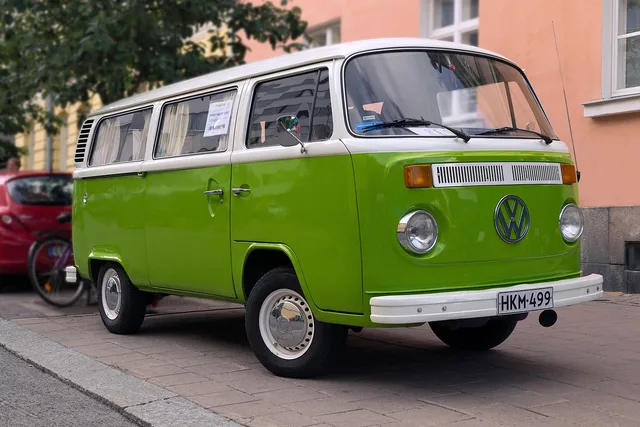
Weight is the first spec to check, because every van has a published payload rating and water is the heavy item. A 100-gallon tank weighs about 835 pounds when full, before the generator, machines, chemical stock and a technician go on board.
Van / Rough payload
- Ford Transit Connect
- About 1,500 pounds
- Ram ProMaster 1500
- About 3,900 pounds
- Mercedes Sprinter 2500
- About 3,500 pounds, depending on wheelbase and options
Payload varies more than the brochures suggest, so read the door sticker on the van you are actually buying. What the van and its fit-out cost is a separate question, covered in startup costs and funding. Used gear changes the prices, which new vs used equipment costs compares.
Payload math before you buy
- Tank at full capacitywater weight
- Generatorheavy power source
- Machines and chemical stockfixed load
- Technicianone more body
- Remainderdecides van or trailer
The heaviest named items give a feel for the budget. Add the tank, the washer and either power source, then compare the total with the door sticker.
The EU3000iS, at 131 pounds, weighs more than twice as much as the Bluetti battery. Chemicals, an extractor, hoses and the technician all come on top of these totals, so the van that looks adequate on paper may not be.
Work backwards from there. Decide the tank size the service menu requires, weigh what you already own, and see what remains. That remainder decides whether the build is a compact van, a full-size van or a trailer.
A trailer is worth honest consideration. It carries weight cheaply and can be dropped, but tight residential parking is harder and it adds a maneuvering skill your future technicians will need.
Water kit: four decisions in order
The water subsystem runs through four decisions in order: supply, delivery, water quality and discharge. Each one has a few specs that matter and a price band worth knowing before a supplier quotes you.
| Part | Spec or role | Typical price |
|---|---|---|
| Ronco rotomolded tank | Sold in 50 to 200 gallons; Valterra and Romold make comparable tanks | Check current quotes |
| Shurflo 2088 demand pump | Moves water from the tank to the washer | $60 to $90 |
| Kranzle K1122TST | 115 volts, about 1,000 PSI, roughly 60 pounds | $1,100 to $1,400 |
| Optimum No Rinse | Rinseless wash, mixed at about one ounce per two gallons | Check current quotes |
| CR Spotless DIC-20 | The usual mobile deionizer | $400 to $500 |
| Deionizer resin refill | Lasts a few hundred gallons, depending on water hardness | $100 to $200 |
| On The Go portable softener | Reduces scale, but trades away spot-free drying | Around $250 |
| Containment set | Quick Dam barriers, a 10-by-20-foot mat, a Wayne or Little Giant sump pump | $150 to $600 for the set |
Four water decisions in order
- Supplycarried tank, customer tap, or both
- Deliverypressure washer, rinseless, or mix
- Water qualitydeionization or softener
- Dischargecontainment mats, berms, recovery pump
Supply. A carried tank, the customer's outdoor tap, or both. Relying on the tap works until the day it is frozen, absent or behind a locked gate. Most operators carry water and treat the tap as a bonus, which is why tank size is the first number in the budget.
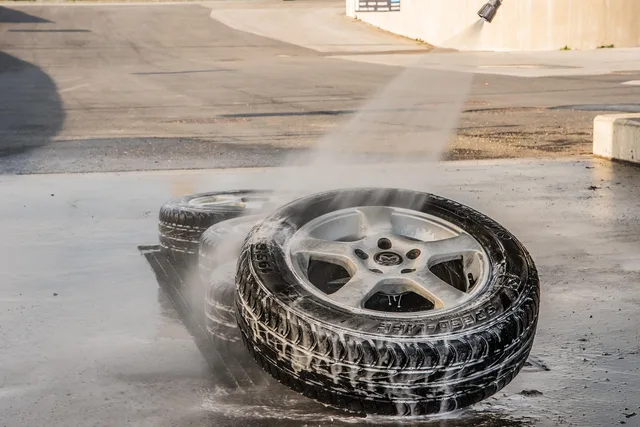
Delivery. Pressure washer, a rinseless method with buckets and a mitt, or a mix. Pressure delivers speed and consumes water; rinseless preserves water and lengthens some jobs. Hot water speeds degreasing and adds weight, cost and another thing that can fail on a route.
AR Blue Clean and Sun Joe cover the budget end of pressure washers and fare worse under daily commercial use. The Kranzle in the table above is the common van choice.
Water quality. Hard water leaves mineral spotting that costs you time at the end of every job. Deionization or a softener is not a luxury; it is a purchase that buys back drying minutes on every vehicle. Compare the resin refill with the minutes it saves before choosing between the two.
Discharge. This is the one with a regulator attached. The EPA vehicle washing fact sheet says outdoor car washing can cause detergent-rich water to flow into storm drains, and that this water may contain high amounts of nutrients, metals and hydrocarbons.
Containment mats, berms and a recovery pump are equipment items, and your local stormwater authority is the body that says which of them you need. The mobile detailing compliance checklist pairs each item with the office that inspects it.
Power kit: sources, ratings and what they cost
Strengths
- Gasoline or diesel generator
- Runs anything, including heat and extraction
- Battery bank with inverter
- Silent, no fumes, welcome in apartment lots
- Customer shore power
- Cheapest and quietest
- Vehicle alternator or dual battery
- Convenient for light loads
- Honda EU2200i
- 1,800 watts rated, 2,200 peak, about 47 pounds, quiet enough for many residential streets
- Honda EU3000iS
- 2,800 watts rated, runs heat and a small extractor
- Predator 3500
- 3,000 watts running for roughly $800 to $900
- EcoFlow Delta Pro
- 3.6 kWh of silent power, expandable
- Bluetti AC200MAX
- 2,048 Wh, about 60 pounds
Costs you should expect
- Gasoline or diesel generator
- Noise, fuel, weight, maintenance, complaints in residential streets
- Battery bank with inverter
- Capacity limits, recharge discipline, weight, upfront cost
- Customer shore power
- Unreliable, needs a written agreement, circuit capacity unknown
- Vehicle alternator or dual battery
- Will not carry heaters or large extractors
- Honda EU2200i
- Typically $1,100 to $1,300; will not run a heater and an extractor together
- Honda EU3000iS
- About $2,300 to $2,500 and 131 pounds
- Predator 3500
- Heavier and louder than either Honda
- EcoFlow Delta Pro
- Typically $2,500 to $3,600, long recharge
- Bluetti AC200MAX
- Typically $1,300 to $1,700; recharge discipline decides the day
Noise is a business constraint, not a comfort one. A quiet setup gets invited back into managed properties and complexes that turn generator-based operations away, which is the main reason a battery can beat a cheaper generator on some routes.
Power source trade-offs
Generator
- Strengths
- Runs anything
- Costs
- Noise, fuel, weight
- Best for
- Heat and extraction
Battery bank
- Strengths
- Silent, no fumes
- Costs
- Capacity, recharge, cost
- Best for
- Apartment lots
Shore power
- Strengths
- Cheapest, quietest
- Costs
- Unreliable, agreement needed
- Best for
- Low-draw jobs
Alternator
- Strengths
- Convenient light loads
- Costs
- Won't carry heaters
- Best for
- Light loads only
Match capacity to the largest simultaneous draw, not to the sum of everything you own. A heated extractor plus a vacuum commonly exceeds 1,800 running watts, which is why the EU3000iS exists. Write down what actually runs at the same time.
Extraction, chemicals, lights and polishers: named picks
Vacuum and extraction come early in the buying order because interior work is your weather insurance. A Mytee Lite II 8070 or a Sandia Spot covers most passenger cars, and the extractor's draw is the number to carry into the power table above.
| Job | Named pick | Note |
|---|---|---|
| Wheels | P&S Brake Buster | Handles wheel cleaning |
| Interiors and trim | Meguiar's D101 All Purpose Cleaner | Covers interiors and trim |
| Heavy brake dust | Meguiar's D140 Wheel Brightener | Strips heavy brake dust |
| Wash stage | Meguiar's D111 neutral shampoo | Any neutral shampoo does the same job |
| Inspection light | Scangrip Matchpen or Astro Pneumatic LED light | Lighting for inspection |
| Polisher | Rupes LHR15 Mark III, or Griot's Garage G21 for far less | Only once correction is on the menu |
The chemical shelf is smaller than new operators expect. Buy concentrates and dilute as the label says. Decanting into unlabeled bottles is the most common bad habit in the trade, and it means a new technician cannot tell an acidic wheel cleaner from a shampoo. Other makes are compared in the equipment brands comparison.
Safety kit and the hazards to write down
Once anyone else works with you, informal practice stops being enough. For a detailing van the hazards worth writing down start with chemical exposure and mixing, slips on wet surfaces and noise, then working near a running engine, lifting, sun and heat exposure, and driving.
Van hazards to write down
- Chemical exposure and mixing
- Slips on wet surfaces
- Noise
- Working near a running engine
- Lifting
- Sun and heat exposure
- Driving
None of these hazards needs a consultant to identify. All of them need a written response before the day they happen. OSHA's recommended practices for safety and health programs lay out a structure for a small business: management commitment, worker participation and hazard identification, then control, training and evaluation.
The cheap protective kit is nitrile gloves, safety glasses, hearing protection for generator work, and a respirator rated for the solvents you actually use. Which of these the first booking needs, and which can wait, is set out stage by stage in equipment checklist for new owners.
Working out whether a machine has paid for itself
Equipment arguments end quickly once a machine is measured rather than admired. For any purchase over a threshold you set yourself, write two lines before buying and revisit them after a season.
The first line is what it changes about the job: minutes saved per vehicle, a service it makes possible that you could not sell before, or a failure it prevents. The second is what it costs to own, which is the purchase price plus consumables, maintenance and the space it takes in the van.
Then convert. Minutes saved per vehicle times vehicles per month equals hours recovered. A $500 polisher that saves 30 minutes on each of 40 vehicles a month returns 20 hours, and those hours pay only when they become booked work.
A time-saving machine is worth less to an operator with empty afternoons than to one turning bookings away. That distinction explains why the same purchase is sensible for one van and wasteful for another. Which services you have committed to sell is settled in the services and packages guide.
Maintaining the setup and keeping its records
Equipment failure mid-route costs a day of revenue plus the reputation damage of a canceled booking. A short weekly routine prevents most of it: flush lines, check filters, and inspect cords and hoses. Then drain and clean the extractor, check generator oil, and top up the failure kit.
Stock the parts that stop a route: resin for the deionizer, a spare trigger assembly, and a replacement pump for the extractor.
Keep purchase records and maintenance records together. The IRS recordkeeping guidance says good records help you keep track of deductible expenses and of your basis in property, and they also tell you whether a machine is worth repairing again.
Common questions
How large should the water tank be?
Large enough for the number of vehicles you intend to complete between refills, given your own measured use per vehicle, and small enough to stay inside payload. Those two numbers meet at a size; nobody can give it to you without knowing both. A 100-gallon tank alone weighs about 835 pounds full.
Generator or battery?
Battery if your route includes managed properties, apartment complexes or early morning residential work; an EcoFlow Delta Pro or a Bluetti AC200MAX covers most of a day. Generator if you run heat and extraction all day and can live with the noise; that is the Honda EU3000iS, not the EU2200i.
Is hot water worth the weight?
It shortens degreasing and helps in cold weather. It is a poor first purchase and a reasonable second-year one. Kranzle and Mi-T-M sell hot water units that add weight, fuel and a second failure point.
Which pressure washer should a first van buy?
The Kranzle K1122TST if the budget reaches $1,100 to $1,400. Below that, an AR Blue Clean or Sun Joe unit is closer to a disposable first year, and Optimum No Rinse is the cheaper route to clean cars.