Guides
Mobile detailing equipment brands compared in 2027
Mobile detailing equipment brands compared for 2027, with what each line does best, what it costs to own, and how to trial a machine before you buy it.
What to take away
Mobile detailing equipment brands compared on 2027 price bands, duty cycle and parts support, category by category.
- Pressure washersKranzle for daily commercial duty at typically $1,500 to $2,400, Active for budget starts at $350 to $600, Simpson for parts on any shelf.
- ExtractorsMytee and Sandia carry the widest service network. Prochem suits high-volume carpet work at truckmount money.
- SteamersDupray and Vapor Renu cut water use where runoff rules bite. McCulloch is the cheap entry at under $200.
- Water tanks and generatorsTitan, Ronco and Westinghouse, sized to your longest route, not your shortest.
- ChemicalsP&S, Meguiar's Detailer and Chemical Guys, priced per vehicle rather than per bottle.
Brands compared
| Brand | Category | Typical 2027 price | Best for |
|---|---|---|---|
| Kranzle | Pressure washer | $1,500 to $2,400 for the K 1622 TS and K 1922 TS | Daily commercial duty, brass pump head |
| Active | Pressure washer | $350 to $600 for the VE51 and VE56 | First van, two-job days |
| Simpson | Pressure washer | $250 to $500 for the MegaShot and Aluminum series | Replacement parts within days |
| AR Blue Clean | Pressure washer | $150 to $400 | Middle ground, proven AR pump |
| Mytee | Extractor | $1,100 to $1,900 for the HP60 Spyder and Speedster | Weekly carpet work |
| Sandia | Extractor | $700 to $1,400 for the Sniper and Spot-Xtract | Same vacuum design, lower price |
| Prochem | Extractor and truckmount | $2,500 to $5,000 portable, $15,000 and up truckmount | Carpet at half your revenue |
| Dupray | Steamer | $600 to $900 Tosca, $1,000 to $1,400 Optima | Continuous-fill commercial steam |
| Vapor Renu | Steamer | $400 to $800 | Vents and upholstery |
| McCulloch | Steamer | $120 to $180 for the MC1275 | Starter use only |
| Titan and Ronco | Water tank | $250 to $900 for 50 to 100 gallons | Long routes between refills |
| Westinghouse and Champion | Generator | $400 to $1,200 | Portable power |
| Honda | Generator | $1,000 to $2,500 | Quiet residential sites |
Pressure washers
Kranzle builds the machine most mobile detailers end up on. The K 1622 TS and K 1922 TS run brass pump heads and long duty cycles, and US distributors stock parts. Expect typically $1,500 to $1,700 for the K 1622 TS and $2,000 to $2,400 for the K 1922 TS, the highest price in this group.
Active is the value pick. The VE51 and VE56 typically sell for $350 to $600, a fraction of a Kranzle, and hold up on light commercial work. They suit a first van and a two-job day. Hose length and accessory bundles move the number.
Simpson's MegaShot and Aluminum series are gas and electric units sold through big-box stores, typically $250 to $500. The pump is not the equal of a Kranzle, but a replacement arrives in days rather than weeks.
AR Blue Clean sits between them at typically $150 to $400. AR pumps appear in other makers' machines, which tells you the pump design is sound even when the badge is not.
Extractors and carpet machines
Mytee is the default for mobile work. The HP60 Spyder and Speedster run twin three-stage vacuums, and Mytee sells parts direct. Expect typically $1,100 to $1,900, set by tank size and whether you buy heat. If you clean carpets weekly, start here.
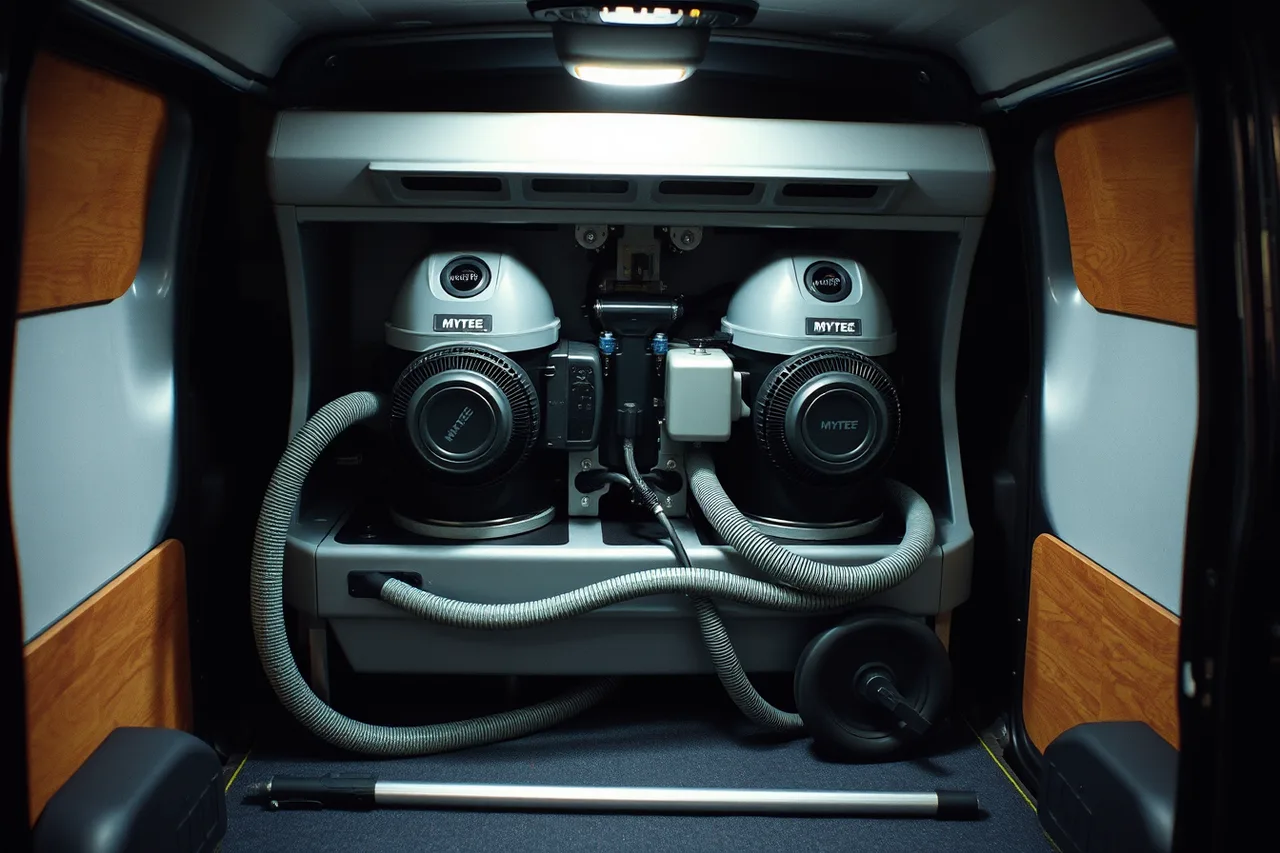
Sandia's Sniper and Spot-Xtract units use the same vacuum architecture at typically $700 to $1,400. Service runs through distributor networks, so check who covers your metro before ordering.
Prochem, now under the Kärcher group, builds truckmount-grade equipment and heated portable units for high-volume work. Portables typically run $2,500 to $5,000. A truckmount starts near $15,000 and climbs with heat and hose runs. It is the heaviest and most expensive option, and the one to choose if carpet is half your revenue.
Steamers
Dupray's Optima and Tosca lines are the reference point for commercial steam, typically $600 to $900 for the Tosca and $1,000 to $1,400 for the Optima. Continuous fill matters: the Optima runs while you refill, which is the difference between a five-hour day and a three-hour one.
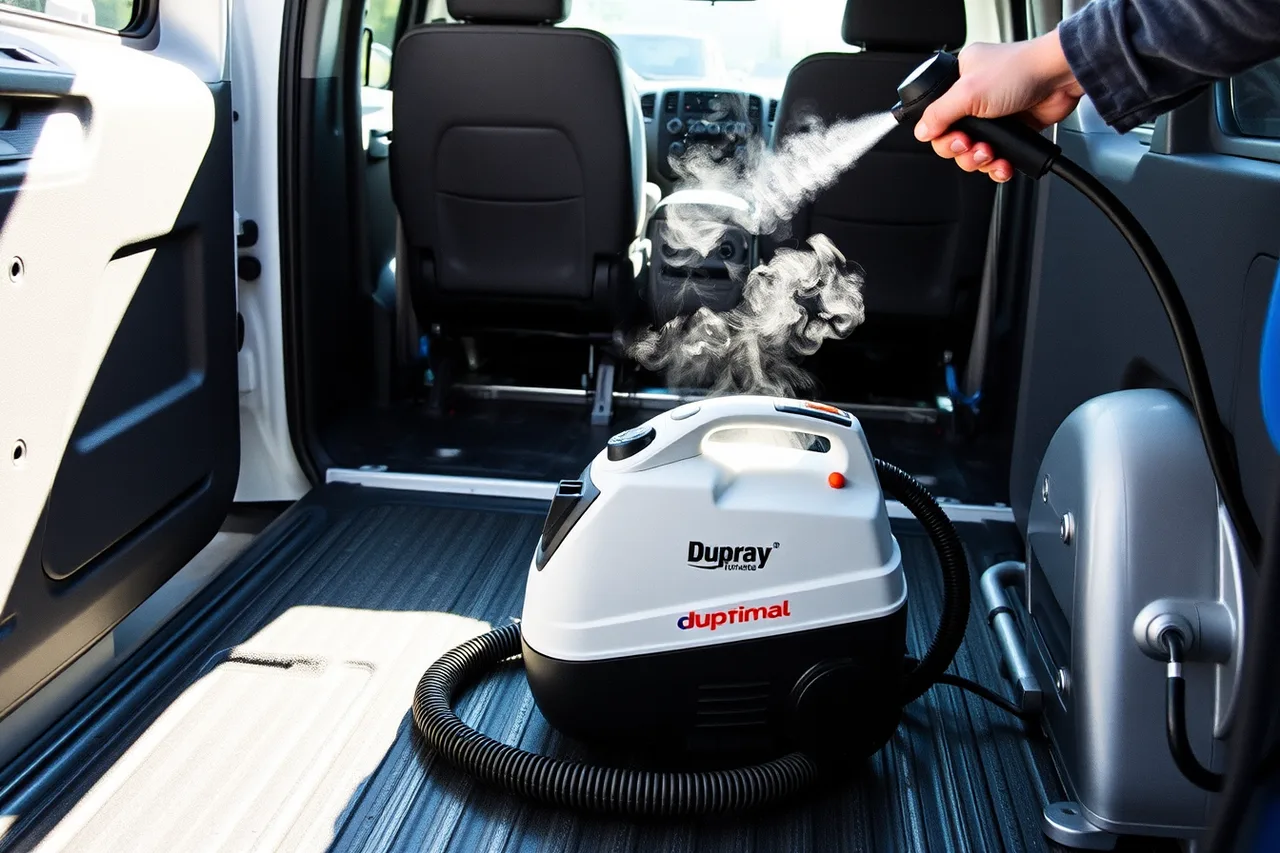
Vapor Renu builds lower-pressure units for interior work at typically $400 to $800. They suit a detailer who wants steam for vents and upholstery without a full commercial machine.
McCulloch's MC1275 is a sub-two-hundred-dollar entry unit, usually $120 to $180. It is a starter tool, not a production machine, and it will not survive daily commercial hours.
Water tanks, pumps and generators
Titan and Ronco make the rotationally molded tanks most operators mount. A 50 to 100 gallon tank typically costs $250 to $900. Size against your longest route between refills, not your shortest. A tank that forces a mid-route refill costs you a job.
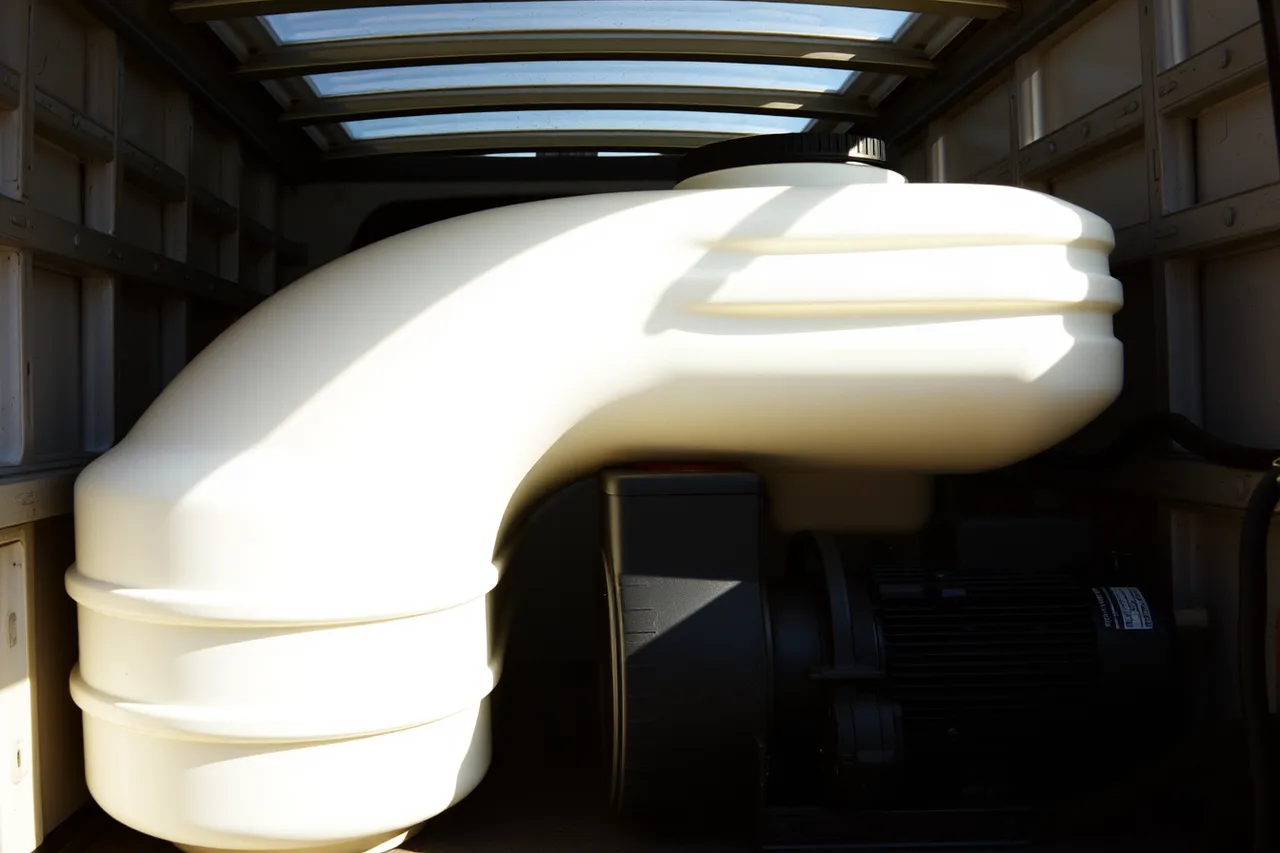
Shurflo and Remco on-demand pumps are the standard for low-pressure rinse and chemical delivery. They typically cost $60 to $150. They are cheap, replaceable, and stocked everywhere.
Generators: Westinghouse and Champion cover the portable end at typically $400 to $1,200, Honda the quiet end at $1,000 to $2,500. Noise decides whether managed properties book you again, so weigh decibels against price.
Chemicals and consumables
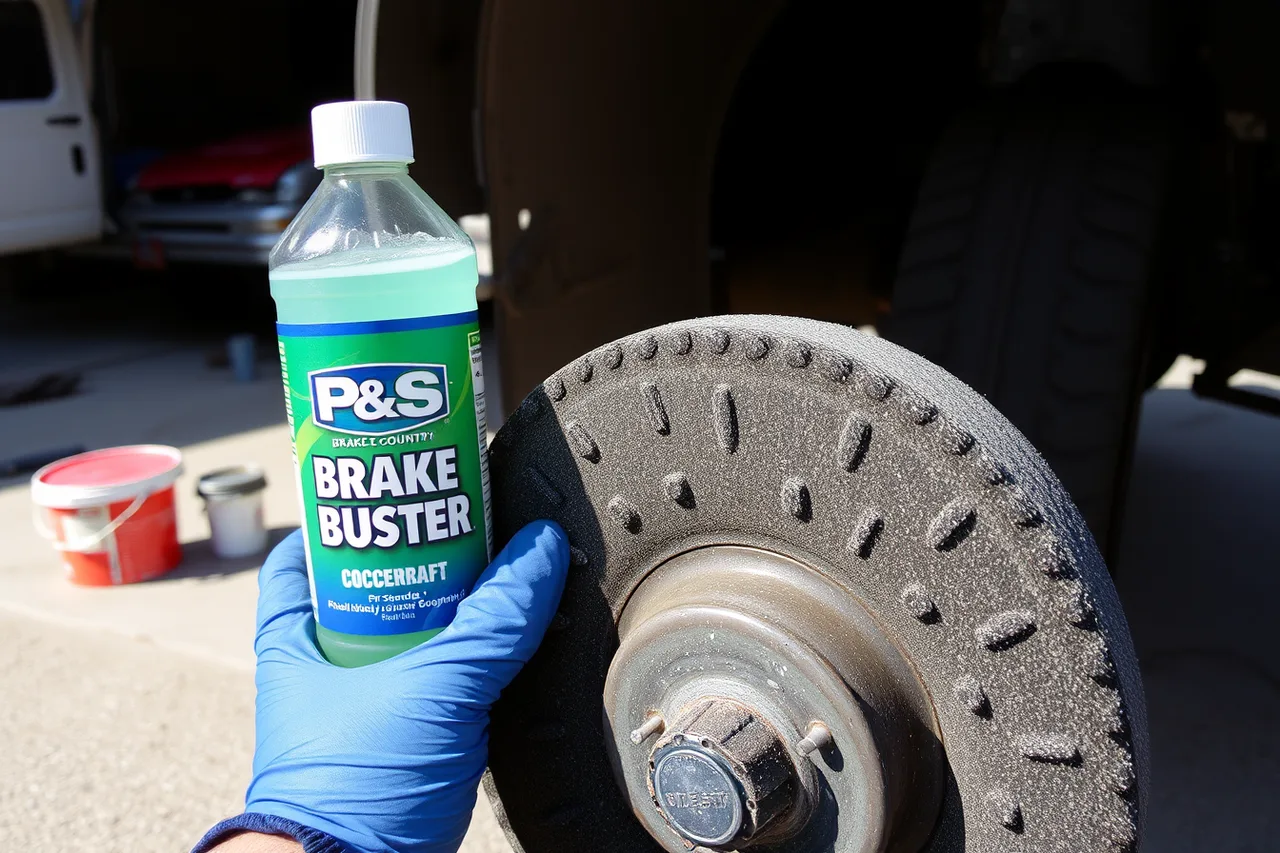
P&S makes the products mobile detailers mention most: Brake Buster for wheels, Interior Cleaner for cabins. Sold in concentrates, which is what keeps cost per vehicle down. A gallon typically runs $30 to $45 and dilutes into several ready-to-use gallons.
Meguiar's Detailer line is the professional half of a retail brand, typically $30 to $50 a gallon. It is available through auto paint suppliers, which matters when you need a gallon today.
Chemical Guys sells consumer-facing packaging and a wide range, typically $40 to $60 a gallon. Buy on cost per vehicle, not on shelf appeal.
Lake Country and Buff and Shine make the pads, typically $8 to $20 each. Rupes and Flex make the polishers, typically $350 to $600. Both hold resale value, which no chemical does.
What the brands do not tell you
Brand quality varies by product line. A maker with an excellent polisher can sell an indifferent extractor, and a line can change after a factory move. Compare models, not badges.
Parts availability and service turnaround outrank any number on the box. Ask for a named service agent and a lead time before you pay.
The arithmetic that puts purchase price last is worked through in the comparison of new against used equipment.
How to trial a machine before you buy
- Run it at working load for twenty minutes, not at idle. Heat and vibration show up under load.
- Start it cold, on a cold morning. A machine that needs coaxing in a workshop will not start in a February driveway.
- Meter water use per vehicle against the EPA's WaterSense breakdown of vehicle washing to see which stage is costing you.
- Check guards, switches, thermal cutouts and cord condition. OSHA's recommended practices for safety and health programs treat hazard identification as the core of a small business program, and equipment choice is where several hazards are designed in or out.
- Put it on the real route for two weeks. Most disappointments appear in week two, not day one.
Containment gear needs the same trial. Fill the berm, walk on it, drag a hose across it, pump it out, and look at what is left. Wash water carries hydrocarbons, brake dust and metals, which is why the EPA's fact sheet on vehicle maintenance and washing practices treats it as a pollutant source rather than dirty water.
Scoring a shortlist fairly
| Criterion | Weight | How to score it |
|---|---|---|
| Parts and service availability | Highest | Confirmed lead times, named agent |
| Behavior under sustained load | High | Your own timed test |
| Consumable cost over a year | High | Your volume, current prices |
| One-person handling | Medium | End-of-day test, not morning test |
| Noise | Medium, high in residential work | Judged from a neighbor's position |
| Purchase price | Lowest | Only meaningful after the rows above |
What to do with the results
Write a short record for each machine: what you measured, what surprised you, what you would ask next time. Keep it with your purchase documents. Two years later it tells you whether to buy the same thing again.
Then check the purchase against your actual menu. The item-by-item sequence is in the equipment checklist for new owners, and the case for treating the van as one system is in the equipment and setup guide.
Territory decides equipment too. A machine built for a dense suburban route is wrong for scattered rural work with long drives. That is why market selection comes first in choosing where to operate and in the expansion and market guide.
Common questions
Are professional brands always better than consumer ones?
Not always, but the duty cycle usually is. The specification that matters is continuous run time under load, and consumer machines are rarely rated for it. A $120 to $180 McCulloch steamer and a $1,000 to $1,400 Dupray Optima both make steam. Only one survives five commercial days a week.
Can I trust reviews from other detailers?
Treat them as evidence about that operator's conditions. Ask what water, what volume and what climate. A machine praised in a dry climate can behave differently where water is hard and mineral-heavy.
Is it worth buying the same brand throughout?
Only if the parts and service arrangement is genuinely better as a result. Mytee extractors and Mytee parts counters are a real advantage. Loyalty to a badge is not a purchasing strategy.
How long should a trial run?
Two weeks of ordinary work. One good day proves nothing, and most disappointments show up in the second week. Record what you measured, not what you remember.