Guides
Equipment a mobile detailing business cannot open without
A mobile detailing equipment checklist grouped by job stage, separating what you need for the first booking from what should wait until revenue pays for it.
What to take away
- The checklist below is grouped by stage of work, because that is how the van gets loaded and how items get forgotten.
- Column one is what you need to take a booking. Column two is what waits.
- Buy nothing in column two until the service that requires it is already selling.
- Containment for wash water is in column one. It is a compliance item, not an upgrade.
- Check the whole list against your vehicle payload before ordering anything.
Before the list: two constraints
Payload and power. Write down the vehicle's rated payload and the total draw of anything you plan to run at once. Every line below has to fit inside both. Operators who skip this step discover the problem when the van sits low on its springs with a half-full tank.
Stage 1: Arrival and inspection
Need now: high-output inspection light, clipboard or tablet for a condition record, camera, wheel chocks if you work on slopes, cones or a visible marker if you work near traffic.
Can wait: paint depth gauge, a second inspection light on a stand.
The condition record is the item most often skipped and the one that resolves disputes. Photograph existing damage before touching the vehicle, every time, without exception.
Stage 2: Water and containment
Need now: tank sized to your menu, hose and fittings with spares, a pressure washer or a rinseless setup with buckets and grit guards, a containment mat or berm, and a way to recover captured water.
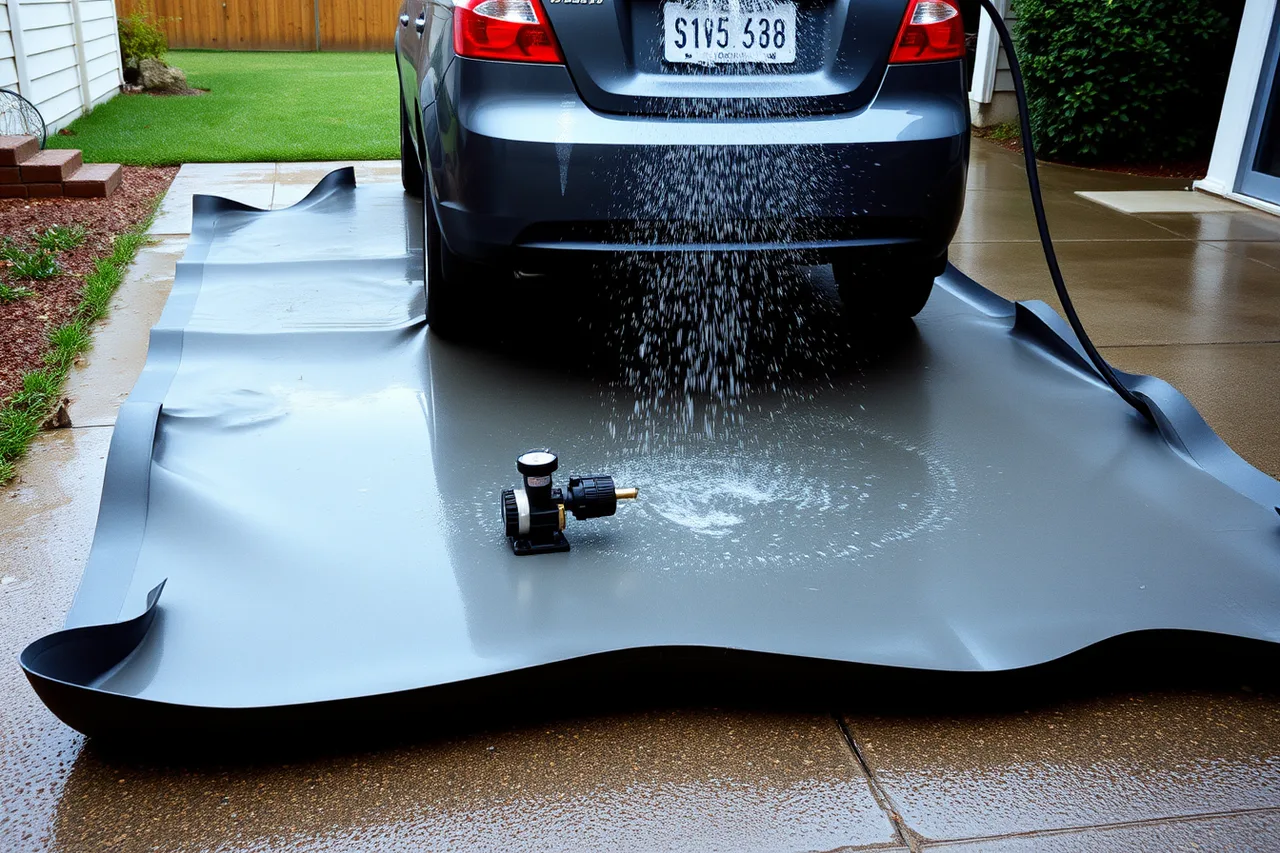
Can wait: hot water system, deionization or softening, water recovery pump with tank.
Containment sits in the first column because wash water carries hydrocarbons, brake dust and metals. The EPA's fact sheet on best practices for vehicle maintenance and washing explains why that runoff is treated as a pollutant source and what businesses are expected to control.
Which specific containment your area requires is a question for the local stormwater office. It belongs with the rest of the questions in the licensing and compliance guide.
Stage 3: Wheels and tires
Need now: dedicated wheel buckets, a set of brushes in three sizes, a barrel brush, a pH-appropriate wheel cleaner, tire cleaner, dressing and applicators.
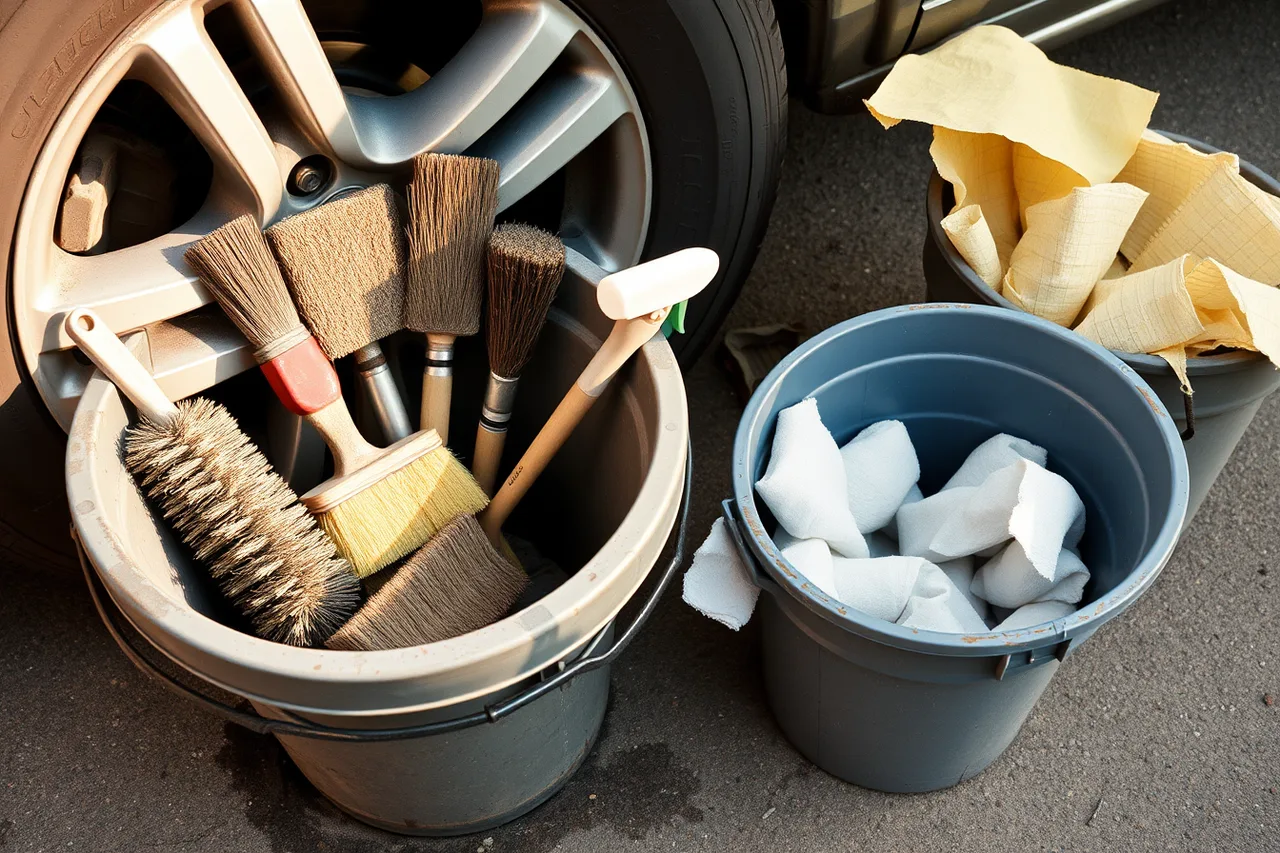
Can wait: iron remover in volume, a wheel-off service kit, dedicated tire machine brushes.
Keep wheel tools physically separate from paint tools. Cross-contamination here shows up as scratches in a customer's clear coat and is entirely preventable.
Stage 4: Exterior wash and decontamination
Need now: two buckets with grit guards, wash media, drying towels in quantity, a foam applicator if you are using pressure, clay medium and lubricant, tar remover.
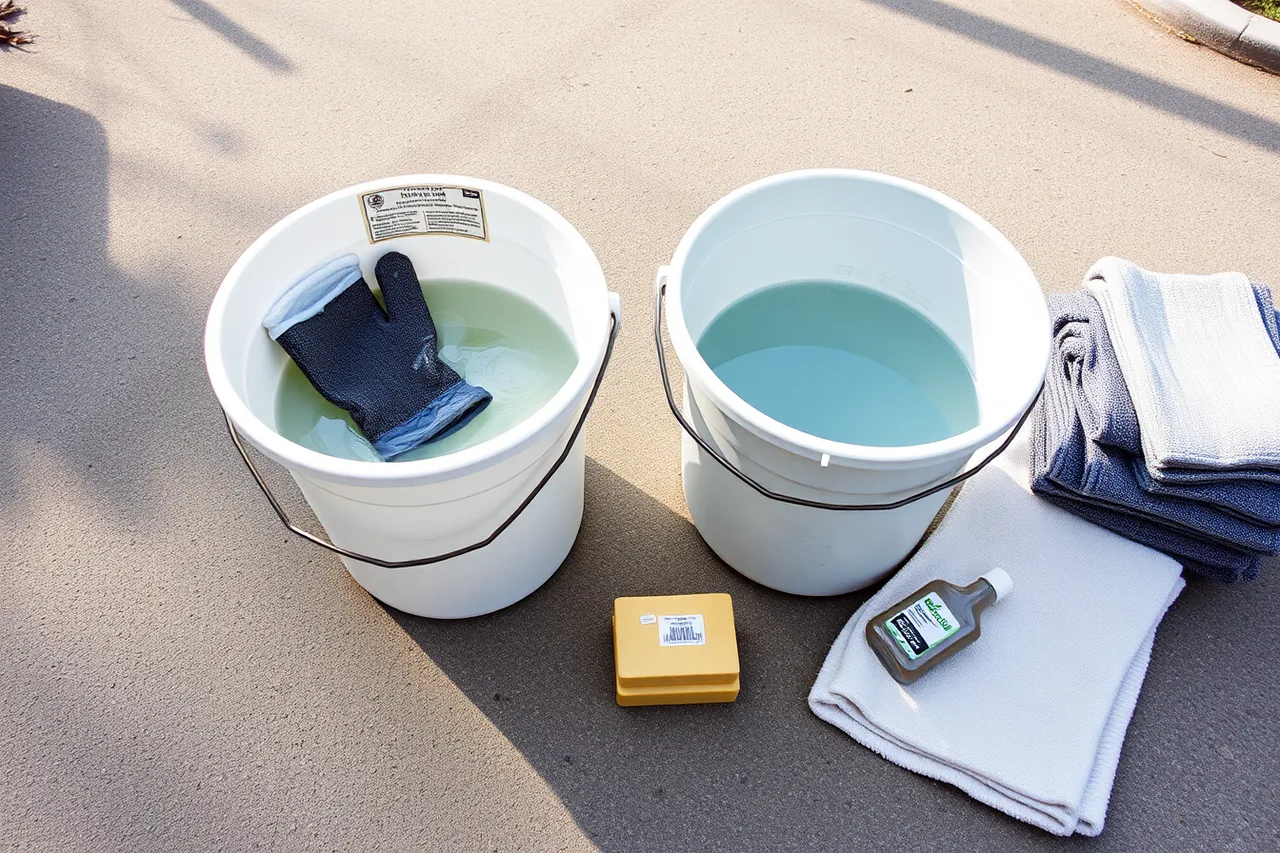
Can wait: foam cannon upgrades, dedicated drying blower, a full chemical decontamination range.
Towels are consumables and are underbought by almost every new operator. Running short mid-job is how cross-contamination starts.
Stage 5: Interior
Need now: a wet and dry vacuum with usable suction and a long hose, crevice and brush tools, an all-purpose cleaner you can dilute, glass cleaner, interior brushes, microfiber in quantity, a pet hair tool.
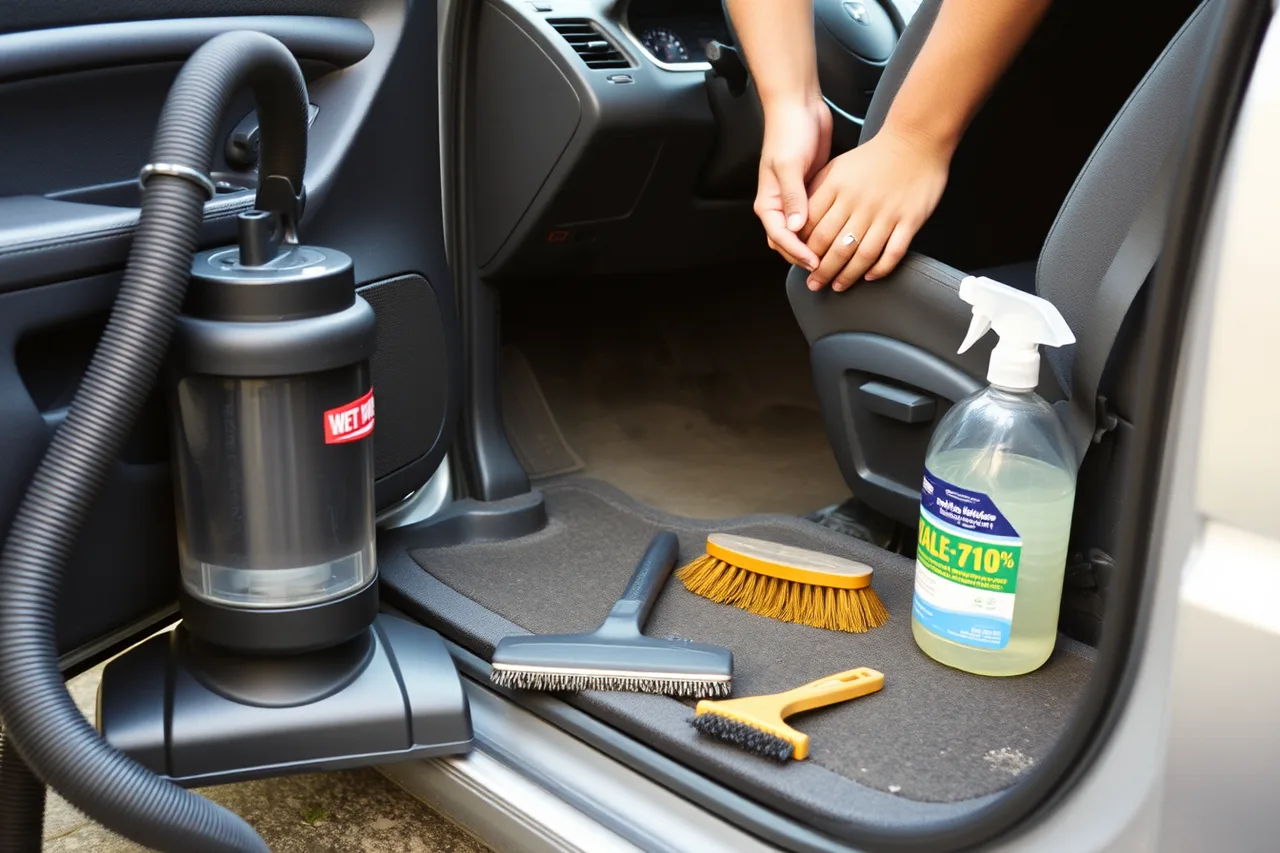
Can wait: hot water extractor, steamer, air-powered cleaning tool, ozone or hydroxyl equipment.
Interior work is weather-independent revenue, so this stage deserves better tools sooner than the exterior stages do.
Stage 6: Correction and protection
Need now: nothing, if correction is not yet on your menu.
Can wait, and should: dual action polisher, pad inventory, compounds and polishes, panel wipe, sealant or coating stock, and the lighting to inspect the result honestly.
This is the stage new owners buy first and use least. Buy it when a paying customer has asked for it twice.
Stage 7: Power, safety and the van itself
Need now: your chosen power source, extension leads rated for the load, residual current protection, gloves, eye protection, respiratory protection appropriate to the chemicals you carry, a first aid kit, a fire extinguisher, and secure mounting for anything heavy.
Can wait: shelving upgrades, a second battery bank, climate comfort items.
Once anyone else is working with you, the informal version of safety stops being adequate. OSHA's recommended practices for safety and health programs describe a structure a small operation can actually run, covering hazard identification, control, training and review. That structure also feeds the induction described in the hiring and training guide.
Stage 8: The failure kit
One box ready now: spare fuses, a spare hose fitting and washer, a spare trigger, one spare pad of each type in use.
Add a spare vacuum belt if applicable, cable ties, tape, and a printed list of supplier phone numbers.
The failure kit is the cheapest item on the whole list and the one that most often saves a day of bookings.
Consumables to reorder before they run out
Chemicals in your standard dilution set, microfiber, drying towels, applicators, pads, gloves, waste bags, and fuel or battery capacity. Set a reorder point rather than reordering when a bottle is empty, because a bottle running out at the second job of the day costs more than a spare bottle ever did.
Sanity check before you order
Take the list you have assembled and ask, line by line: which service on my published menu cannot be delivered without this? Anything that fails the question moves to the wait column. Then check the total weight against payload again, because the list has grown since the first check.
Sequencing this against the rest of the launch is in the phased method for starting the business. The reasoning behind treating the van as one connected system is in the equipment and setup guide.
Water use per vehicle, which decides how many jobs fit between refills, is worth measuring from the start. The EPA's WaterSense breakdown of vehicle washing shows which wash stages consume the most and are worth cutting.
Equipment routes side by side
Suits a mobile car detailing business when
- New purchase
- Reliability on the detail is what the vehicle owner at home or work pays for
- Second-hand purchase
- polishers is simple to inspect and repair
- Lease
- The equipment dates quickly
- Short-term rental
- Seasonal peaks around spring and pre-sale detailing
- Share or subcontract
- The detail is occasional
Trade-off
- New purchase
- Depreciation starts the day it arrives
- Second-hand purchase
- Downtime during spring and pre-sale detailing costs more than the saving
- Lease
- Total cost exceeds buying over the term
- Short-term rental
- Every rental day reopens the buy-or-rent question
- Share or subcontract
- The vehicle owner at home or work may not see the difference, or may
Common questions
Can I start with domestic equipment?
For some items, briefly. A household vacuum will not survive commercial duty cycles, and its failure ends a day. Buy commercial for anything that runs continuously.
How many towels is enough?
More than feels reasonable. Count what one full job consumes, multiply by the jobs in your longest planned day, and add a margin for the vehicle that turns out worse than described.
Should I buy a package deal from a supplier?
Only after checking each item against your own menu. Package deals are assembled to move stock, and they usually contain at least one thing you will never use.
What should I buy first with the first profits?
Whatever removes the biggest bottleneck in your recorded times. That is usually extraction or drying, not polishing.