Guides
3 pricing tiers for mobile detailing in Houston and Dallas-Fort Worth
Three mobile detailing tiers for Houston and DFW, with price bands, travel fees and the cost math that decides which jobs are worth the drive.
What to take away
- Three tiers cover almost every mobile joba maintenance wash, an interior and paint enhancement, and a correction with ceramic coating.
- Houston and the northern DFW suburbs pay differently for identical work, so operators running both metros need two price sheets.
- A travel fee is normal in both metros. In Houston it is often the line that decides whether a route makes money.
- Fleet and rideshare accounts trade a lower per-vehicle rate for one address, one schedule and no marketing spend.
- Margin per tier turns on water, chemicals and drive time, not on the headline price.
Why Houston and DFW price the same wash differently
Houston has no zoning, so mobile work fits the sprawl. One loop can cover Katy, Cypress, Sugar Land and the Heights without a downtown garage. Humidity and constant road construction keep vehicles dirty, and buyers shop hard on price.
Dallas-Fort Worth splits in two. Dallas and the inner suburbs price like Houston. Plano, Frisco, Allen, McKinney and Southlake carry higher household incomes and longer commutes, and a driver there pays more for a package that returns a Saturday.
Weather sets the calendar. Houston's summer heat and afternoon storms push work into early mornings. DFW gets spring hail and hard winter freezes, and both create paint and glass work a wash package never touches.
A package priced for the Inner Loop looks cheap in Frisco. A Frisco package sits unsold in Pasadena. Keep two price sheets and one tier structure.
Tier one: the maintenance wash
Tier one is a recurring exterior wash with a light interior tidy:
- foam wash
- wheels and tires
- spray sealant
- glass
- vacuum
- a wipe of the dash and door panels It is not a correction service and should not be sold as one.
In Houston, tier one runs $65 to $95 for a sedan and $85 to $125 for a truck or SUV. In the northern DFW suburbs, add roughly $15 to $25 to each figure. Mobile operators there charge for the drive as much as for the wash.
This tier holds a customer between deep cleans. Sold monthly, it builds a predictable route and lowers fuel cost per stop. Sold as a one-off, it barely covers the trip.
Auto detailing covers the full range of cleaning, polishing and protection work a shop or mobile unit performs, and tier one sits at the simple end of that range (Auto detailing - Wikipedia).
Bundle tier one into a three-visit prepaid card. Prepaid washes cut no-shows and put cash in hand before the first drive.
Tier two: interior and paint enhancement
Tier two is the volume seller in both metros. It adds a full interior deep clean and a machine-applied paint enhancement to the tier one wash. Seats and carpets get shampooed or extracted, leather gets conditioned, and the paint gets a one-step polish with a sealant.
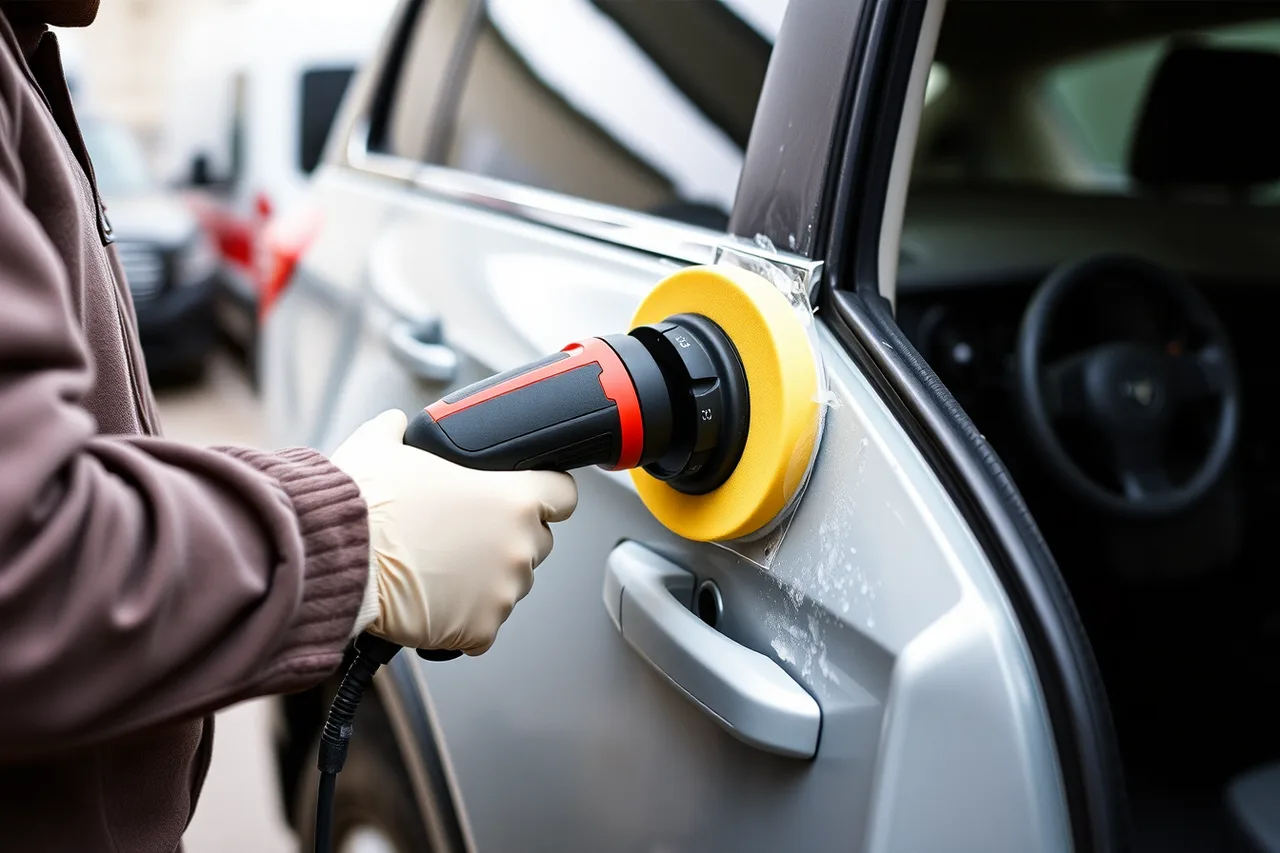
Houston pricing runs $180 to $280 for a sedan and $220 to $350 for a truck or SUV. In Plano, Frisco or Southlake, the same work sells for $250 to $380 on a sedan and $300 to $450 on a larger vehicle.
The gap is not chemical cost. It reflects what a customer's time is worth and how far the detailer drives. The market sets the ceiling and the route sets the floor, which is the logic behind any how to price mobile detailing decision.
Most operators book tier two as a half-day job. Two fit in a working day if the addresses are close. Three do not.
Pet hair, third-row seats and heavy spills are add-ons, not discounts. Quote them before the visit.
Tier three: correction and ceramic coating
Tier three is paint correction plus a ceramic coating, with a full interior detail included. A one-step correction removes light swirls. A two-step correction removes deeper defects and takes far longer. The coating locks in the finish.
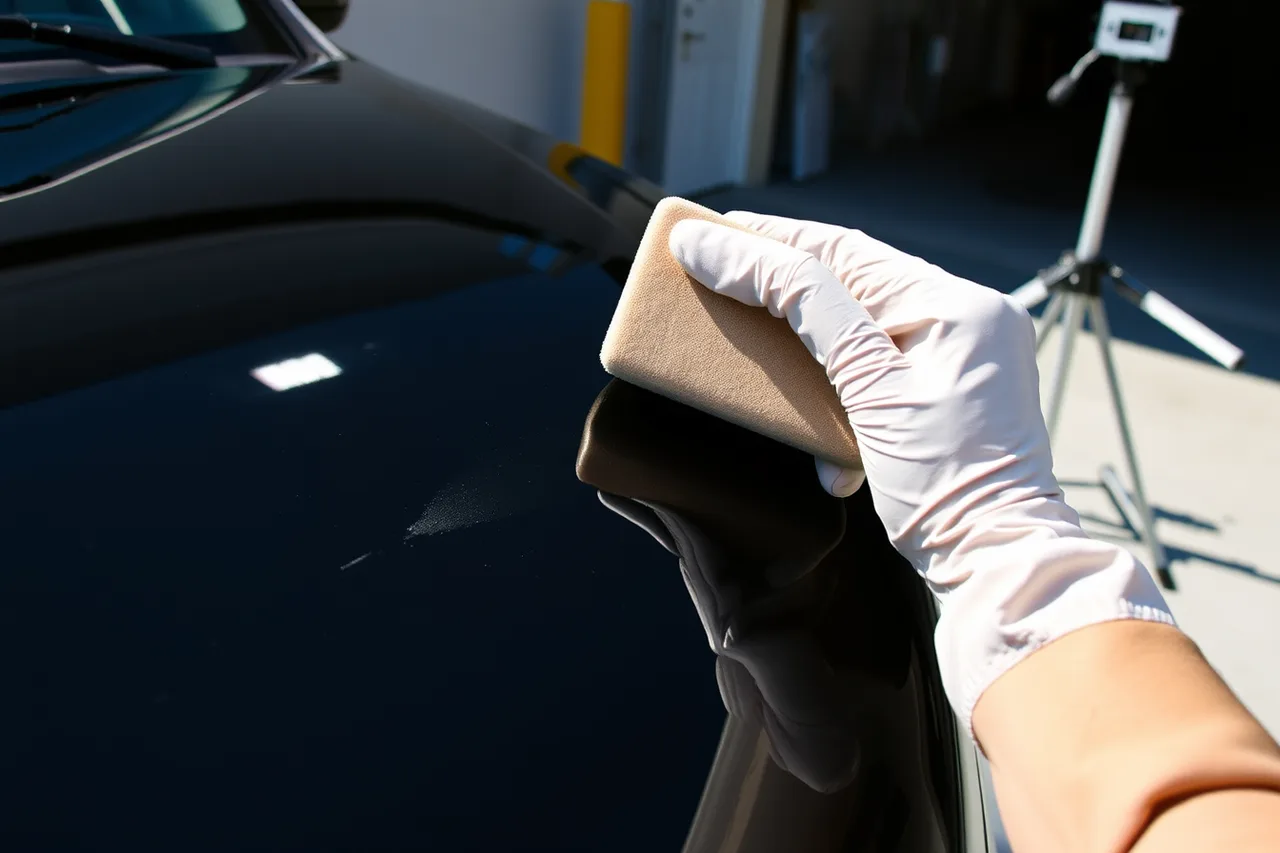
Houston pricing for a one-step correction with an entry coating runs $600 to $900. A two-step correction with a multi-year coating runs $1,100 to $1,800. In the northern DFW suburbs, expect $800 to $1,200 and $1,400 to $2,400 for the same two jobs.
Coating durability drives the top of the band. A five-year coating priced at $2,000 needs a written maintenance schedule to justify it, and the customer will hold the operator to that schedule.
This tier separates a paint shop from a wash route, and it carries the most risk. A bad polish on a black truck is a repaint, not a redo.
Screen customers before quoting. Ask about previous paint work, repaints and scratch history. A repainted panel changes both the correction plan and the price.
Travel fees and call-out charges
Travel fees are standard in both metros and belong in writing before booking. The usual structure is free inside a radius, a per-mile charge beyond it, and a minimum call-out fee on small tickets.
Houston traffic changes the math. A 20-mile run from Katy to the Medical Center takes an hour at 4 p.m. and 25 minutes at 9 a.m. The fee should cover the drive, not just the distance.
Travel fee structure by metro
Houston
- Free radius
- 15 miles
- Per mile beyond
- $1.50-$2.50
- Call-out under $150
- $35-$60
- Tolls
- Line item
DFW
- Free radius
- 20 miles
- Per mile beyond
- $1.50-$2.50
- Call-out under $150
- $35-$60
- Tolls
- Line item
Tolls are real cost in both metros. The Dallas North Tollway and Houston's Grand Parkway belong on the invoice as a line item, not buried in the package price.
Advertising a travel fee and then waiving it teaches customers to expect the waiver. State it once, in writing, and hold it.
Fleet and rideshare rates
Fleet work trades price for volume and predictability. A rideshare driver with one car wants a fast interior reset. A fleet account with 20 vans wants a schedule, an invoice and one standard.
Rideshare and fleet rates
Houston
- Rideshare reset
- $45-$70
- Cargo van fleet
- $60-$90
- Fleet discount
- 20-35% off
- Billing
- Monthly
DFW
- Rideshare reset
- $55-$85
- Cargo van fleet
- $75-$110
- Fleet discount
- 20-35% off
- Billing
- Monthly
Rideshare and delivery drivers in Houston typically pay $45 to $70 for an express interior and exterior reset done in under an hour. DFW rates run $55 to $85. Drivers care about turnaround more than depth.
Small fleet accounts of five to 25 vehicles usually settle at 20 to 35 percent below retail, billed monthly. A cargo van inside and out runs $60 to $90 at a Houston fleet rate and $75 to $110 under a DFW contract.
Large accounts want net terms, and 30-day invoicing means the operator finances the work. Price that in. A contract paying in 45 days at retail-minus-30 percent can lose money after fuel and labor.
Keep fleet work on a fixed day each week. Route density, not the per-vehicle rate, is what makes the account pay.
Package income lands on the same form as retail revenue for a sole proprietor, and the current rules for reporting it are on the Instructions for Schedule C (Form 1040) page.
Benchmarking without racing to the bottom
The cheapest quote in any Texas suburb is usually a solo operator with no insurance and no overhead. Matching it is a losing move.
Benchmark the middle of the market. Pull ten quotes from operators in your zip codes and note what each package includes. Most cheap quotes exclude the interior, the engine bay or the paint sealant.
Compare like work. A $99 wash and a $250 interior and paint package are not competitors, even when both advertise detailing. Compare scope first, then price, as the mobile detailing pricing and profit guide sets out.
If a package promises a specific result or coating lifespan, the operator has to support that claim, because pricing statements count as advertising under FTC business guidance.
Raise prices on new customers first. Move existing customers at renewal, which softens the churn.
Margin math behind each tier
Margin is what remains after chemicals, water, fuel, drive time, labor and van wear. The headline price tells the customer almost nothing about it.
A worked example, a Houston tier two job in Katy:
- Price the job at $240 for a mid-size SUV.
- Chemicals, water and consumables run about $22.
- Fuel and tolls for the round trip run about $14.
- Drive time is 50 minutes each way, so 1.7 hours at a $35 hourly target adds $60.
- On-site labor is 3.5 hours at $35, or $122.
- Total cost lands near $218, leaving about $22, or roughly 9 percent, before van wear.
The same job at $300 in Frisco, with a 25-minute drive each way, leaves closer to $90. That is the difference the suburb makes.
Tier one is thinner. A $75 Houston maintenance wash with $8 in chemicals and 40 minutes of drive time clears $25 to $30 if the stop sits on an existing route. Booked alone across town, it can lose money.
Tier three earns the best margin per hour when priced right. A $1,400 correction and coating job with $180 in materials and a full day of labor can clear $600 or more, provided the customer does not return for rework.
Track cost per job, not cost per month. Small business records have to show income and expenses clearly enough to compute margin, and IRS Publication 334 covers what that recordkeeping requires.
A quote sheet with scope, travel fee and add-ons prevents most disputes. A mobile detailing quote template with pricing examples keeps the numbers consistent across both metros.
Review the tiers every quarter. Chemical costs, fuel and labor move, and a package clearing 40 percent in spring can fall to 25 percent by fall. The mobile detailing services and packages guide shows how scope changes move the price.
Fleet work shifts the break-even point because drive time per vehicle collapses. One address with ten vans removes nine trips. That is why a fleet rate below retail can still beat retail margin, and it sits at the center of any mobile detailing profit margins and break-even review.
Quick reference: three tiers across both metros
Quick reference: three tiers
What is included
- One: maintenance wash
- Foam wash, wheels, spray sealant, vacuum, interior wipe
- Two: interior and paint enhancement
- Tier one plus interior deep clean and one-step polish with sealant
- Three: correction and ceramic
- Two-step correction, multi-year coating, full interior
Houston price band
- One: maintenance wash
- $65 to $125
- Two: interior and paint enhancement
- $180 to $350
- Three: correction and ceramic
- $600 to $1,800
DFW suburb price band
- One: maintenance wash
- $85 to $150
- Two: interior and paint enhancement
- $250 to $450
- Three: correction and ceramic
- $800 to $2,400
Typical time on site
- One: maintenance wash
- 45 to 75 minutes
- Two: interior and paint enhancement
- 3 to 4 hours
- Three: correction and ceramic
- 1 to 2 days
Pre-quote checklist
- Confirm vehicle size, condition and any repainted panels.
- Check the address against the free travel radius.
- Add the call-out charge if the ticket is under $150.
- Quote pet hair, third rows and heavy spills as add-ons.
- Apply the fleet rate only with a signed schedule and net terms.
- Record chemical, fuel and drive time against the job.
Common questions
Why are DFW suburb prices higher than Houston prices?
Northern DFW suburbs carry higher household incomes and longer commutes, so customers place more value on a service that saves them a trip. Houston has more competing operators and a flatter price market. The tier structure is identical; only the numbers move.
Should I charge a travel fee inside Houston?
Inside 15 miles, most operators fold travel into the package price. Beyond that, a per-mile charge plus a call-out fee on small tickets protects the route from unprofitable stops. State the structure in writing before the booking.
How much cheaper should a fleet rate be?
Twenty to 35 percent below retail is typical for accounts of five to 25 vehicles. The discount works because drive time per vehicle collapses when every car sits at one address. Net terms of 30 days or longer need to be priced into the rate.
Do I need to charge sales tax on detailing packages in Texas?
Texas treats many vehicle cleaning and maintenance services differently from goods, and the answer depends on your service mix. Check current Comptroller guidance for your own packages, and confirm the treatment with a qualified accountant before you bill.