Guides
How much to charge for mobile detailing work for 2027
Set 2027 mobile detailing prices from condition tiers, zone travel fees and stage times, with illustrative rates you check against your own costs.
What to take away
- Illustrative 2027 ratesa maintenance wash runs $60 to $90, an interior-only refresh $120 to $180, and a full interior and exterior detail $220 to $350. Treat these as starting points, not quotes.
- Consumables and gear set your floor. A gallon of shampoo concentrate such as Meguiar's Detailer D110 Hyper-Wash typically runs $30 to $50. A heated extractor such as the Mytee Lite 8070 costs $900 to $1,200, and a Honda EU2200i generator about $1,100 to $1,300.
- Price interiors by condition tier, not by vehicle size. A maintained cabin and one with a season of pet hair are different jobs with different stage times.
- Charge travel by zone with a stated minimum job value. A cheap wash at the edge of your territory can eat a third of a working day.
- When a customer pushes for a discount, remove work from the package instead of lowering the price for the same scope.
- Overheads belong in the sheet too. Jobber, Housecall Pro and Urable typically run $50 to $200 a month per user. Square's published card-present rate has been 2.6% plus 10 cents a transaction.
- Rebuild the numbers when fuel, insurance or chemical costs move, and at least twice a year.
Illustrative 2027 price sheet
These figures assume a solo operator in a mid-cost metro, working from a van or truck with a water tank and generator. They are examples to react to, not rates to copy. Your own costs decide your floor.
Most vans carry a 100-gallon tank and a generator. Jobs at apartments and office lots often have no hose access, and a rinse-less product such as Optimum No Rinse, sold in 32-ounce bottles and by the gallon, covers those stops.
Illustrative 2027 Price Sheet
- $60–$90Maintenance wash and seal
- $120–$150Interior refresh, Tier 1
- $160–$220Interior refresh, Tier 2
- $220–$350Full interior and exterior
| Package | Typical time on vehicle | Illustrative price | What moves it |
|---|---|---|---|
| Maintenance wash and seal | 1.5 to 2 hours | $60 to $90 | Vehicle size, water access on site |
| Interior refresh, Tier 1 | 2 to 2.5 hours | $120 to $150 | Light dust, vacuum, wipe down |
| Interior refresh, Tier 2 | 3 to 4 hours | $160 to $220 | Stains, pet hair, spills, odor |
| Full interior and exterior | 4 to 6 hours | $220 to $350 | Paint condition, wheels, trim |
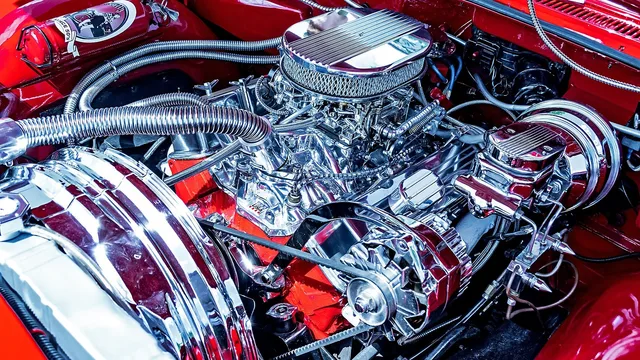
| Add-on: engine bay | 45 to 60 minutes | $40 to $70 | Grease level, access |
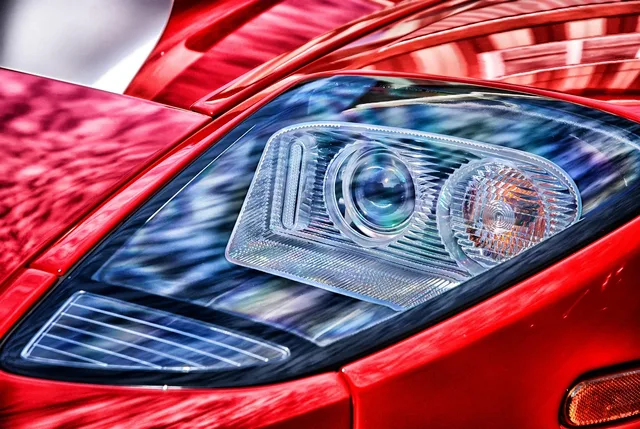
| Add-on: headlight restoration | 60 to 90 minutes | $60 to $100 | Oxidation depth, pair or single |
| Add-on: rinse-less wash where no hose is available | add 20 to 30 minutes | $20 to $40 | Site access, product such as Optimum No Rinse |
| Add-on: ceramic coating | 2 to 3 hours | $200 to $350 | Paint prep and cure time, kit such as CarPro Cquartz UK 3.0 at $60 to $90 |
The gap between Tier 1 and Tier 2 is the whole point of the tier system. The customer with a clean cabin stops paying for the one with ground-in dog hair.
Quote each add-on as its own line with its own time. Folding an engine bay or a coating into a package price hides the hours it takes.
Condition tiers for interiors
Publish the tiers with descriptions a customer can check before booking. Vague tiers get argued about at the curb. Each tier also runs different gear and chemicals, from a rinse-less wash and a spray sealant on a maintained cabin to heated extraction and an enzyme cleaner on a neglected one.
Interior Condition Tiers
Tier 1: Maintained
- Stains
- None
- Dust
- Light
- Pet hair
- None
- Odor
- None
- Action
- Vacuum, wipe, protect
Tier 2: Lived-in
- Stains
- Some
- Dust
- Visible in seams
- Pet hair
- Light
- Odor
- None
- Action
- Deep clean
Tier 3: Neglected
- Stains
- Heavy
- Dust
- Heavy
- Pet hair
- Embedded
- Odor
- Present
- Action
- Extraction, odor treatment
Tier 3 is where quotes go wrong. Send the customer two or three phone photos before you confirm a price, and state in writing that the tier can move if the vehicle arrives worse than the photos showed.
Travel priced by zone
Draw three zones around your base and price each one. Fuel is only part of the cost of a long drive.
Travel Zones and Fees
Zone A
- Drive time
- Up to 15 min
- Travel fee
- Included
- Minimum job
- None
Zone B
- Drive time
- 15–30 min
- Travel fee
- $20–$35
- Minimum job
- None
Zone C
- Drive time
- 30–45 min
- Travel fee
- $40–$60
- Minimum job
- $150
The minimum matters more than the fee. A $70 wash in Zone C can consume two hours of driving and setup for a job that pays less than your hourly recovery. If a Zone C booking falls under the minimum, offer to add an interior refresh rather than discounting it.
Distance costs money even with a full tank. The IRS standard business mileage rate was 70 cents a mile for 2025, so a 40-mile round trip carries about $28 in vehicle cost before you count your time.
Stage times decide the price
Time each stage on your own jobs for a month:
Detail Stage Timing
- Setup
- Pre-rinse
- Wheels
- Wash
- Dry
- Interior vacuum
- Carpet extraction
- Glass
A full detail that you quote at four hours and finish in six is a pricing error, not a slow day. Track stage times by tier, because one neglected interior will pull your Tier 1 average out of shape if you only ever time whole jobs.
Stage times feed the tier prices directly. If Tier 2 takes you three hours on average and your target recovery is $55 an hour before materials, the floor is $165 plus consumables and travel. The equipment you run changes those times, and the trade-offs are set out in the equipment and setup guide.
Offer less work, not a discount
A discount on the same scope teaches every customer to ask. When someone pushes on price, remove a line item and name it.
Handle Price Pushback
Customer asks for a discount?
Remove a line item and hold the rate
Keep the quoted scope and price
"I can hold the price if we skip the engine bay and the headlight pair. Same interior and exterior, $260 instead of $350."
The scope changes, the rate holds, and the customer chooses. This is also the honest way to handle a vehicle that arrives in worse condition than described: quote the higher tier, or quote the lower tier with less work.
Itemized invoices make that easy. Jobber, Housecall Pro and Urable all print line items on the customer's invoice, so the work you removed is visible instead of argued about.
Check the numbers against three bad days
A price that only works on a good day is not a price. Test it.
- Two cancellations in one day. Does the remaining work cover that day's fixed costs?
- One vehicle a tier worse than described. Does the tier surcharge get applied, or does the technician absorb it?
- One long Zone C drive. Does the zone fee cover the hours, not just the fuel?
Know the fixed number you are testing against. Solo general liability insurance typically runs $500 to $1,500 a year, booking software $50 to $200 a month, and a van payment sits on top of both.
If any test fails, the fix usually sits in your minimum job value or your route density, not in the headline price.
What to publish, and how to word it
Publish ranges with the variables that move them, and state the offer conditions where the offer is. The FTC's advertising guidance for small businesses requires claims to be truthful and supported.
State whether travel, tax and card fees sit inside the published price. Processing costs such as Square's card-present rate come out of what you collect, and a fee nobody mentioned reads as a surprise at the curb.
Avoid durability promises about sealants you have not seen hold for a full season, and avoid introductory offers whose real terms sit elsewhere on the page. Taxable services and how a travel fee is described vary by state, so check with your state tax authority and read the licensing and compliance guide before you publish a fee schedule.
Keeping the sheet current
Rebuild the sheet when fuel, insurance or chemical prices move, when your route density changes, or twice a year regardless. Keep the inputs where you can find them, which the IRS describes as a system that clearly shows income and expenses with supporting documents behind it.
Check your assumed labor cost against occupational wage estimates by metro area from the Bureau of Labor Statistics employment and wage tables. That check matters most when you add your first technician, a step covered in the hiring and training guide.
If you plan to sell coatings, note that brands such as Ceramic Pro and Gtechniq sell through accredited installer programs, and those programs carry their own training and kit costs.
The structural side of pricing, including discount authority and how surcharges are published, sits in the pricing and profit guide. If you are still choosing a territory, the phased sequence in how to start a mobile detailing business decides how much of your day goes to driving.
Common questions
Should I charge by the hour or by the vehicle?
Per vehicle for anything predictable, because customers want a number before they book. Use hourly only for genuinely unpredictable work such as odor or stain recovery, and quote a range with a stated cap.
How do I price a vehicle I cannot see?
Ask for three photos: front seats, rear seats and cargo area. Quote the tier those photos support, and say in writing that the price moves if the vehicle arrives in a worse tier.
What if my prices come out above everyone else's?
Check your travel load first. Operators who spend two hours a day driving need higher prices than operators working a tight route. If your route is tight and your prices are still high, your fixed costs or materials use are the place to look.
How often should I raise prices?
Review twice a year and after any fuel, insurance or chemical increase. Raise the tier prices rather than the travel fee where you can, because customers compare package prices more than they compare zone fees.