
Guides
How Miami salt air and humidity change mobile detailing packages
Salt air, year-round humidity and county wash-water rules set the intervals, sealant choices and add-ons inside a Miami mobile detailing package.
What to take away
- Salt air reaches paint, chrome, aluminum trim and undercarriage hardware, so sealant life runs shorter here than inland.
- Humidity keeps carpet backing and seat foam damp, which is where mold starts, so extraction and forced-air drying belong in the base interior service.
- Most Miami customers buy monthly exterior care with quarterly interior work, and coastal add-ons priced as recurring lines.
- Miami-Dade County sets the water and wash-water rules that decide where runoff can go and what you may discharge.
- NOAA climate records give you the humidity and storm language to explain intervals without guessing.
How salt air attacks paint and trim
Miami sits between Biscayne Bay and the Atlantic, so airborne chloride lands on every vehicle parked outside. That film bonds to clear coat, glass and chrome within hours of a wash. Left there, it draws moisture and speeds oxidation on horizontal panels, the hood and roof first.
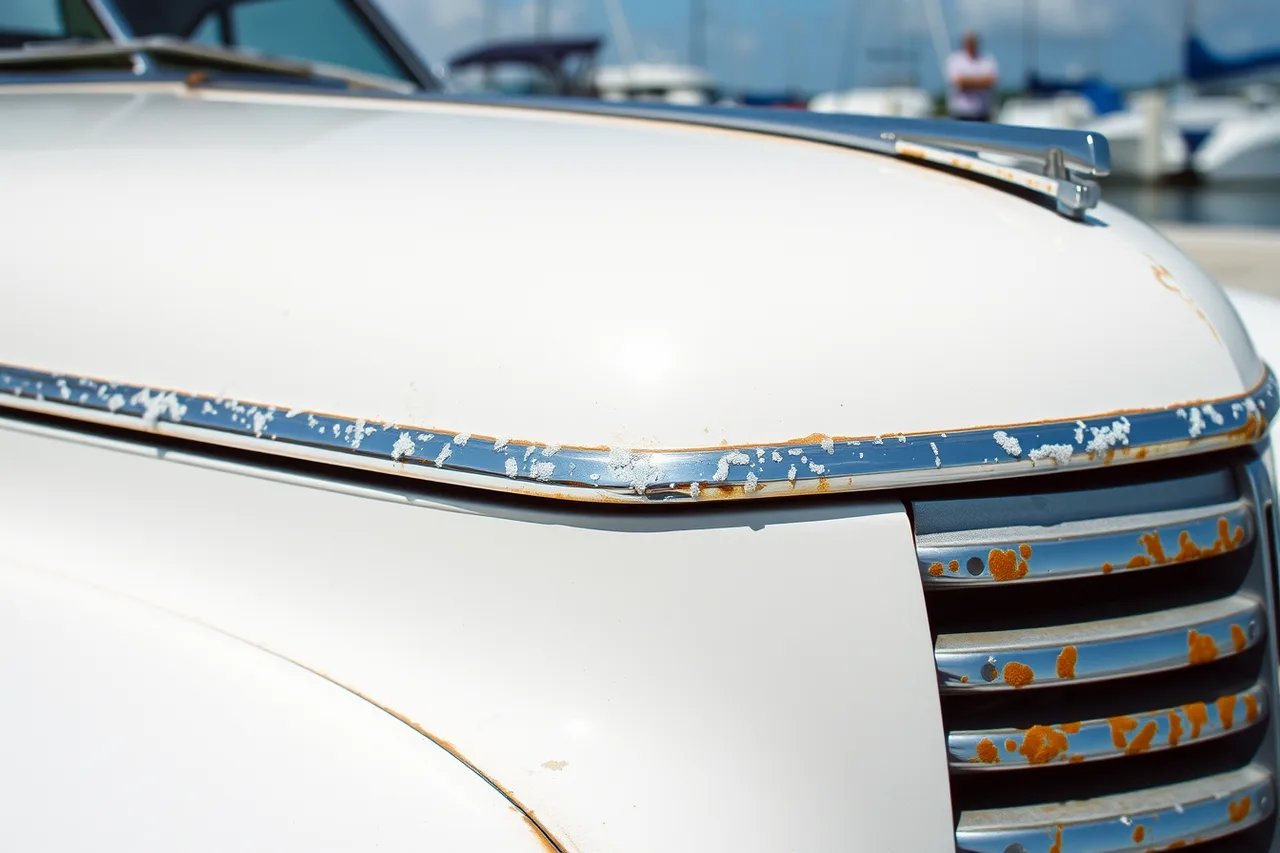
Trim suffers faster than paint in most cases. Anodized aluminum window surrounds, chrome grille bars and roof rails pit where salt sits in crevices. Undercarriage bolts, brake calipers and wheel weights corrode quietly, and customers notice only when a fastener seizes.
Salt also holds moisture against the surface after rain. A car that dries in the sun still keeps a brine layer in seams, mirror housings and door jambs. Rinsing removes the bulk, but the residue in tight gaps needs agitation.
This is why a coastal wash differs from an inland wash. The services and packages guide covers how wash steps map to package levels, and in Miami the rinse and decontamination stages carry more weight than the wax stage.
NOAA climate data for Miami shows the pattern behind the problem: warm, humid air most of the year, with a wet season that keeps surfaces damp. The agency publishes regional climate information through its Climate | National Oceanic and Atmospheric Administration pages, useful when you explain to a customer why monthly care beats twice-a-year care here.
Humidity and interior mold: what coastal Florida does to cabins
Florida humidity mold prevention starts with water you cannot see. A spilled drink, a wet umbrella or a damp towel leaves moisture in carpet backing and seat foam. In Miami the cabin rarely dries fully, because outside air stays humid and air conditioning cycles on and off.
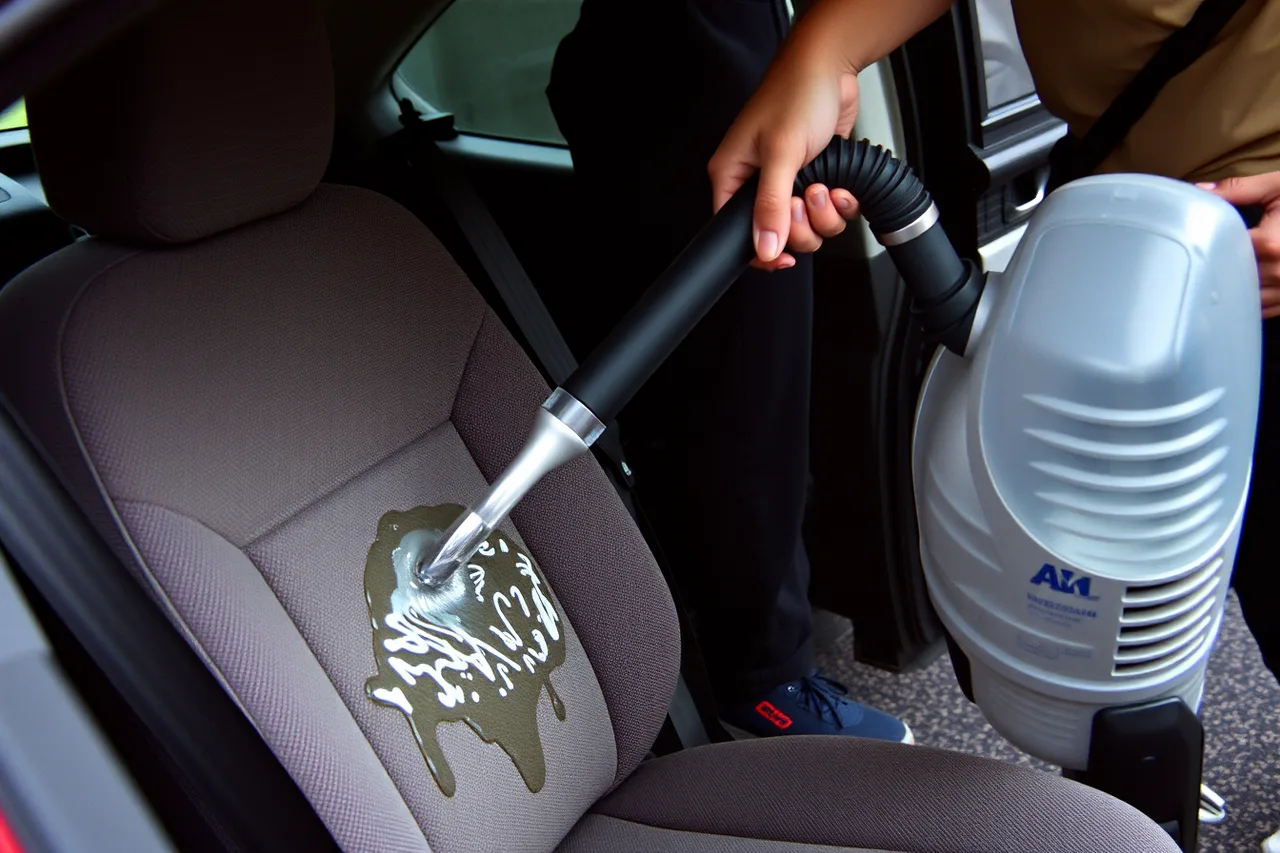
Mold shows up as a musty smell before it shows up as stains. It grows on organic debris: skin cells, food crumbs, dust held in fabric. Door seals, seat rails and the space under floor mats are common sites.
Sun makes it worse in a different way. A closed car in a Miami parking lot reaches high interior temperatures, then cools at night. That cycle condenses moisture on glass and metal, and the condensation drips into carpet.
Interior work in Miami therefore needs extraction, not just wiping. Hot water extraction pulls liquid from foam, and airflow finishes the job. An extractor plus a blower or a long air-dry period is standard practice for coastal cabins.
Background on how interior cleaning and protection services are defined sits in the Auto detailing - Wikipedia entry, which is a reasonable reference if a customer asks what separates a deep clean from a maintenance wipe-down.
Paint sealant and ceramic choices that hold up in Miami
Salt air paint protection comes down to three product families, and each has a different service interval in this market.
Paint sealant and ceramic choices
Typical durability in Miami
- Spray sealant
- Weeks, not months, in sun and salt
- Polymer paint sealant
- Several months with proper washing
- Ceramic coating
- A year or more with maintenance washes
Best for
- Spray sealant
- Monthly maintenance customers
- Polymer paint sealant
- Daily drivers parked outside
- Ceramic coating
- Luxury and exotic cars, garage kept
Package fit
- Spray sealant
- Base and mid tiers
- Polymer paint sealant
- Mid tier
- Ceramic coating
- Premium tier
Ceramic coating Miami buyers ask about most is the multi-year coating, but the honest answer is that coastal exposure shortens every product. A coating that lasts years inland often needs a yearly inspection and topper near the coast.
Prep decides the result more than the product label. Decontamination, clay treatment and a panel wipe must happen before any coating, or the coating locks in salt and ferrous fallout. Skipping prep is the fastest way to a coating that fails early.
For trim and wheels, use a dedicated sealant rather than paint coating. Wheel faces take brake dust and salt spray, and a coating there needs a heat-rated product. Chrome and polished aluminum take a wax or sealant with no abrasives.
Interior mold prevention steps built into a detailing package
Build these steps into the interior portion of a coastal package so the technician does not improvise.
Interior mold prevention steps
- Inspect and photograph the cabin, noting odor, damp carpet and any visible growth before work starts.
- Vacuum all fabric and crevices, including seat rails and under mats, to remove the organic material mold feeds on.
- Treat affected fabric with an appropriate cleaner, then extract with hot water and let the machine pull the liquid out.
- Dry the cabin with forced air and leave doors or windows open during the rest of the service.
- Apply a fabric protectant once the surface is fully dry, never before.
- Report the condition to the customer and recommend an interval that keeps the cabin dry.
A package that includes extraction and drying costs more in labor than a wipe-down, and it should. Customers who have paid once for mold remediation usually accept the higher line item.
The service packages to offer article is a useful cross-check when you set which steps belong in which tier, because mold work is the clearest dividing line between a cheap interior clean and a real one.
Service intervals Miami customers actually buy
Intervals in Miami run shorter than national averages because of salt, sun and humidity. What sells is a monthly exterior plan with interior work added on a quarterly rhythm.
Service intervals Miami customers buy
- Monthlyexterior wash, rinse, spray sealant, wheels and glass.
- Quarterlyinterior vacuum, extraction where needed, fabric protectant and a sealant refresh.
- Twice a yeardecontamination wash, clay treatment and a coating inspection.
- Annuallyfull paint correction assessment and coating maintenance.
Customers with garage parking can stretch exterior intervals. Cars parked on the street or near the water cannot. Ask where the car sleeps before you quote an interval.
The service tiers explained breakdown helps you place these rhythms into named packages rather than selling single washes, which is what keeps a route profitable.
Packaging salt-air protection as an upsell
Sell salt-air protection as a named add-on with a clear job, not as a vague upgrade. A coastal package line can include a rinse-down of the undercarriage, a sealant on chrome and aluminum, and a glass treatment that sheds salt spray.

Bundle the add-on into the recurring plan instead of selling it once. A monthly customer who adds undercarriage rinsing pays a small amount every visit, and the vehicle avoids the corrosion that generates a large repair later.
Use the vehicle's exposure to justify the price. A car kept in a bayfront garage faces more chloride than one kept inland in Kendall, and the package should say so.
When you compare margins across add-ons, the most profitable detailing services comparison is worth reading before you discount anything to win the first visit.
Miami-Dade water and wash-water rules that shape the service
Mobile detailing in Miami-Dade County runs on county water, and the county's Water and Sewer Department sets the rules and rates that affect how you operate. Its Water and Sewer Department pages cover water service and the local requirements you need to check before you discharge wash water.
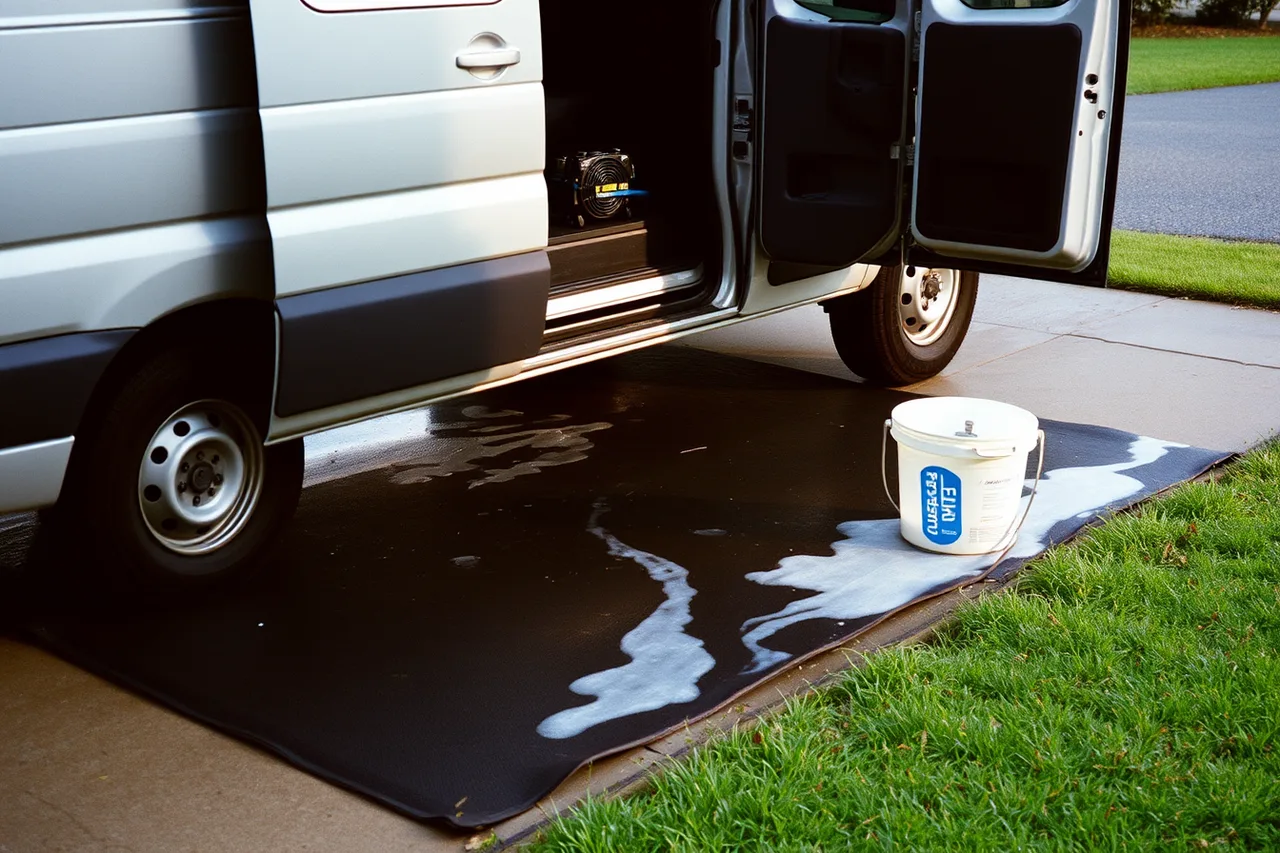
Wash water is the practical constraint. Water carrying soap, degreaser, brake dust and dirt should not run into a storm drain, which in Florida leads to canals and Biscayne Bay. Contain runoff, use a mat or berm, and dispose of it properly.
Waterless and rinseless methods reduce runoff and suit condo garages and covered lots where a hose is unavailable. They also cut the volume you must contain, which matters on a route with several jobs a day.
Check with the county and the property before every new site. Some buildings and HOAs restrict washing entirely, and a package sold without that check can fail on the first visit.
Pricing a Miami coastal package without overpromising
Price the labor the coastal work actually takes, then state limits in writing. A coating quoted as lasting for years in salt air invites a complaint, and the Federal Trade Commission publishes Business Guidance | Federal Trade Commission on advertising and pricing claims that applies to how you describe durability and results.
Use the how to price mobile detailing method to build the number from time, product and travel, then add the coastal steps as separate lines rather than hiding them in a round figure.
A worked example for a mid-size sedan: a monthly exterior plan covering wash, wheels, glass and spray sealant, priced at a set monthly rate. Add a quarterly interior service with extraction and protectant. Add a twice-yearly decontamination and sealant refresh. Quote the coating separately after inspection.
Say what the package does not cover. It does not stop rock chips, it does not reverse existing corrosion, and it does not replace a repaint. Customers accept limits when you state them before the sale.
Common questions
How often should a car be washed in Miami?
Weekly to monthly for cars parked outside near the water, because salt and sun degrade protection quickly. Garage-kept cars can stretch the interval.
Does ceramic coating stop salt damage?
It slows salt and contaminant bonding and makes washing easier, but it does not stop corrosion on bare metal or chips. Coatings need inspection and maintenance.
Can mold come back after a detail?
Yes, if the cabin stays damp. Extraction plus drying removes the moisture mold needs, and a dehumidifier or open windows at home help between visits.
Can I wash cars in a condo garage in Miami-Dade?
Only if the building and county rules allow it. Many garages restrict water use, so rinseless methods and contained runoff are common.